
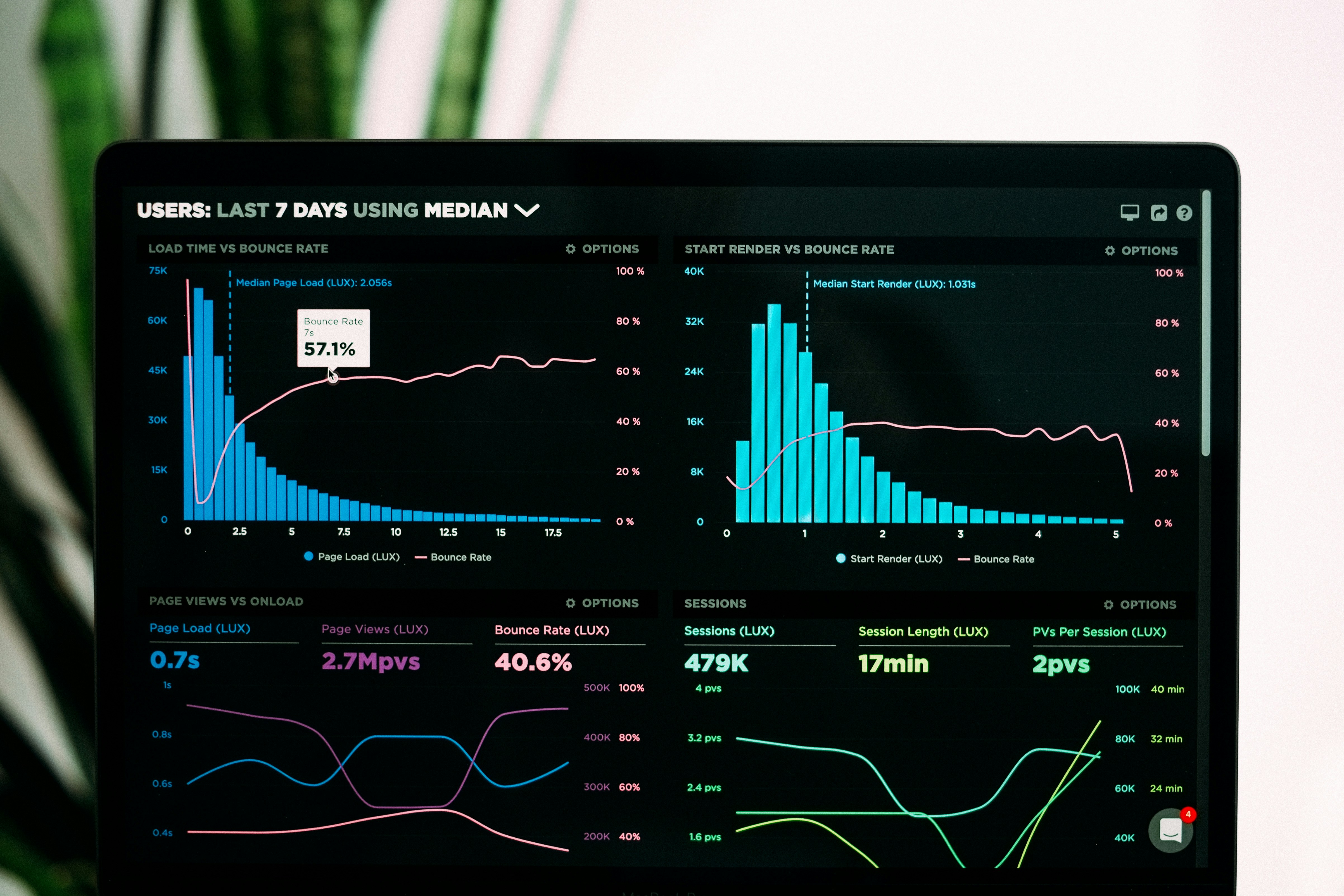
On-Page SEO Services -- Optimize Every Page for Rankings and Conversions
Content Optimization That Ranks Higher and Converts Better
On-page SEO is the practice of optimizing individual pages on your website for search engines and users. We optimize title tags, meta descriptions, headers, content, images, and more. Our on-page SEO services help you rank higher and convert more visitors into customers.
What Is On-Page SEO?
In short:
On-page SEO is the practice of optimizing individual pages on your website for search engines and users. It includes optimizing title tags, meta descriptions, headers, content, images, internal links, and more. On-page SEO helps you rank higher and convert more visitors.
On-page SEO (also called on-site SEO) refers to the practice of optimizing individual web pages to rank higher in search results and attract more relevant traffic. It focuses on elements you directly control on your website—content, HTML source code, images, internal links, and page structure. Every element on your page sends signals to search engines about what the page is about and whether it deserves to rank for target keywords.
On-page SEO encompasses multiple critical elements: title tags and meta descriptions (what appears in search results), header tags (H1-H6) that structure your content hierarchically, content quality and keyword optimization, image optimization and alt text, internal linking strategy, URL structure, and schema markup (structured data). Each element serves both search engines and users—helping Google understand your content while making it more valuable and accessible for visitors.
On-page SEO differs from technical SEO (which focuses on site-wide infrastructure like speed, mobile-friendliness, and crawlability) and off-page SEO (which builds authority through backlinks and external signals). While technical SEO ensures search engines can access your site and off-page SEO builds authority, on-page SEO ensures your content is optimized for both search engines and users. All three work together—you need technical foundation, on-page optimization, and off-page authority for comprehensive SEO success.
On-page SEO matters because it's foundational to your search rankings. Even the best backlinks won't help if your content is poorly written, your title tags are vague, or your pages don't match search intent. Google uses on-page signals to understand what your pages are about, whether they're high-quality and trustworthy, and which keywords they should rank for. Proper on-page optimization also improves user experience—making content more readable, scannable, and valuable—which reduces bounce rates and increases conversions.
At Dynamic Global Marketing, we take a comprehensive, data-driven approach to on-page SEO. We conduct thorough keyword research to understand what your audience searches for, audit existing content to identify strengths and gaps, optimize every on-page element following Google's best practices, create new high-quality content targeting valuable keywords, and continuously monitor performance to refine strategies. Our on-page optimization improves both search rankings and user experience simultaneously, driving more traffic that converts at higher rates. Learn more about our comprehensive methodology through our full SEO services.
On-Page SEO Elements We Optimize
Every Element Matters for Rankings and User Experience
Title Tags & Meta Descriptions
Title tags and meta descriptions are the first things users see in search results. They must be compelling, keyword-optimized, and accurately describe your page content.
Title tags are the clickable headlines that appear in search results and browser tabs. They're one of the most important on-page SEO elements because they directly influence both rankings and click-through rates. Google uses title tags to understand what your page is about, and users rely on them to decide whether to click your result or a competitor's.
Effective title tags follow specific best practices: keep them under 60 characters to avoid truncation in search results, include your primary keyword near the beginning, make them compelling and click-worthy (not just keyword stuffing), accurately reflect the page content, and include your brand name when space allows. For example, "Chicago Plumber | 24/7 Emergency Service | Smith Plumbing" is better than "Plumber Chicago IL - Emergency Plumbing Services Available 24/7 in Chicago Illinois."
Meta descriptions are the snippets of text that appear below your title tag in search results. While they're not a direct ranking factor, they significantly impact click-through rates. A compelling meta description can be the difference between someone clicking your result or scrolling past it. We write meta descriptions that are 150-160 characters, include primary and secondary keywords naturally, highlight unique value propositions, include a clear call-to-action, and match the actual page content to avoid bounce backs.
We optimize title tags and meta descriptions for every important page on your site—not just the homepage. Each page gets unique, carefully crafted titles and descriptions that target specific keywords while compelling users to click. This comprehensive approach ensures maximum visibility and click-through rates across your entire site, not just a few key pages.
Header Tags (H1-H6)
Header tags structure your content hierarchically, helping both search engines and users understand your page organization and main topics.
Header tags (H1, H2, H3, H4, H5, H6) create a hierarchical structure for your content, making it easier for both search engines and users to understand your page organization. The H1 tag is your main page heading—it should be unique, include your primary keyword, and clearly describe what the page is about. Every page should have exactly one H1 tag. Using multiple H1 tags confuses search engines about your page's main topic.
H2 tags represent major sections within your content. They should logically break up your content into distinct topics or themes. H3 tags are subsections under H2s, H4s are subsections under H3s, and so on. This hierarchical structure helps Google understand relationships between topics on your page and identifies which sections are most important. Proper header tag hierarchy also improves accessibility for screen readers and makes content more scannable for users.
Strategic keyword placement in headers matters. Include variations of your primary keyword and related secondary keywords throughout your H2 and H3 tags naturally. Don't force keywords awkwardly or stuff them into every header—focus on creating clear, descriptive headers that help users navigate your content while signaling relevance to search engines. Headers should be informative and enticing, encouraging users to read the content beneath them.
We audit your current header tag structure, identify hierarchy issues or missing opportunities, and implement a logical, SEO-optimized header structure across all pages. This includes rewriting vague headers like "Services" to keyword-rich, descriptive headers like "Emergency Plumbing Services in Chicago" that provide both SEO value and user clarity. Proper header optimization improves both rankings and user experience simultaneously.
Content Quality & Keyword Optimization
High-quality, keyword-optimized content is the foundation of on-page SEO. It must satisfy user intent while incorporating target keywords naturally.
Content quality is the single most important on-page SEO factor. Google's algorithms have become incredibly sophisticated at evaluating content quality, relevance, and usefulness. High-quality content thoroughly addresses the topic, provides accurate and useful information, demonstrates expertise and authority, is well-written and engaging, includes multimedia elements (images, videos, infographics), and keeps users on the page longer. Thin, low-quality content that doesn't satisfy user intent won't rank well regardless of other optimization efforts.
Keyword optimization means strategically incorporating target keywords throughout your content in natural, reader-friendly ways. We identify primary keywords (the main topic), secondary keywords (related subtopics), and LSI keywords (latent semantic indexing—conceptually related terms). Then we incorporate these keywords naturally in the first 100-150 words, throughout body content, in headers and subheaders, in image alt text and captions, and in the conclusion. Modern keyword optimization focuses on topic coverage and semantic relevance rather than hitting specific keyword density percentages.
Search intent alignment is critical. Every search query has an intent behind it—informational (learning), commercial (researching products), transactional (ready to buy), or navigational (finding a specific page). Your content must match that intent. A page targeting "how to fix a leaky faucet" should provide step-by-step instructions, not try to sell plumbing services. A page targeting "emergency plumber Chicago" should make it easy to contact you immediately, not bury the phone number. We analyze search intent for every target keyword and ensure content matches what users actually want.
Content optimization also includes readability improvements: short paragraphs (2-4 sentences), bullet points and numbered lists for scanability, clear subheadings every 300-400 words, simple language avoiding unnecessary jargon, and logical flow from introduction through conclusion. Well-structured, readable content keeps users engaged longer, reduces bounce rates, and signals quality to search engines. We optimize existing content and create new content that balances SEO requirements with genuine usefulness for your audience.
Internal Linking
Strategic internal linking distributes page authority throughout your site, helps search engines discover content, and guides users to related pages.
Internal linking is the practice of linking from one page on your website to another page on your website. While often overlooked, internal linking is one of the most powerful on-page SEO tactics. It helps search engines discover and index pages, distributes page authority (link equity) throughout your site, establishes information hierarchy and relationships between content, keeps users engaged by guiding them to related content, and reduces bounce rates by providing paths to additional relevant information.
Effective internal linking strategy requires careful planning. We identify pillar pages (comprehensive guides on broad topics) and cluster pages (detailed pages on specific subtopics), create logical linking structures connecting related content, use descriptive, keyword-rich anchor text (not just "click here"), link from high-authority pages to important pages that need ranking boosts, ensure every page is reachable within 3-4 clicks from the homepage, and avoid excessive linking (10-15 internal links per 1,000 words is reasonable). Each internal link should provide genuine value to users, not just exist for SEO purposes.
Anchor text optimization matters for internal links. The clickable text should describe what users will find on the destination page while incorporating relevant keywords naturally. Instead of "Learn more about our services," use "Learn more about our Chicago SEO services." Descriptive anchor text helps search engines understand the topic of the linked page and passes relevant ranking signals. Avoid over-optimization—vary your anchor text and prioritize readability over keyword stuffing.
We conduct comprehensive internal linking audits identifying orphaned pages (pages with no internal links), broken internal links, pages with too few or too many internal links, and missed opportunities to strengthen topic clusters. Then we implement strategic internal linking across your site, creating pathways that guide both users and search engines through your content logically. Proper internal linking architecture improves crawlability, distributes authority effectively, and enhances user experience. Learn more about our comprehensive approach through our full SEO services.
Image Optimization & Alt Text
Optimized images load faster, improve user experience, and provide opportunities to rank in image search through descriptive alt text.
Image optimization serves multiple purposes: improving page load speed (faster loading improves rankings and user experience), making content more accessible for visually impaired users using screen readers, providing opportunities to rank in Google Image Search, and enhancing overall user engagement with visual content. Every image on your site should be properly optimized for both performance and SEO.
Technical image optimization includes compressing images to reduce file size without sacrificing quality (use tools like TinyPNG or ShortPixel), choosing the right image format (JPEG for photos, PNG for graphics with transparency, WebP for modern browsers), sizing images appropriately for their display dimensions (don't upload 4000px images if they display at 800px), implementing lazy loading for images below the fold, and using responsive images that adapt to different screen sizes. These technical optimizations dramatically improve page speed, which is both a ranking factor and critical for user experience.
Alt text (alternative text) describes image content for search engines and screen readers. Every image should have descriptive, keyword-relevant alt text that accurately describes what the image shows. Good alt text is concise (125 characters or less), includes relevant keywords naturally when appropriate, describes the image content specifically ("red brick building with white door" not just "building"), and provides context for how the image relates to surrounding content. For decorative images that don't add informational value, use empty alt text (alt="") so screen readers skip them.
Image file names also matter for SEO. Instead of "IMG_1234.jpg," use descriptive file names like "chicago-plumber-fixing-sink.jpg" that include relevant keywords. We also add title tags to images for additional context, implement structured data for images when appropriate (like Product images), create image sitemaps for important images, and ensure images are hosted on your domain rather than third-party sites. Comprehensive image optimization improves page speed, accessibility, search visibility, and user experience simultaneously.
URL Structure
Clean, descriptive URLs help both users and search engines understand page content. They should be short, keyword-rich, and hierarchically organized.
URL structure significantly impacts both SEO and user experience. Clean, descriptive URLs that include keywords help search engines understand page content, give users clear context about page topics before clicking, create trust (users are more likely to click professional-looking URLs), and are easier to remember and share. Your URL structure should be logical, hierarchical, and consistent across your entire site.
Best practices for SEO-friendly URLs include keeping URLs short and descriptive (under 60-80 characters ideally), using hyphens to separate words (not underscores or spaces), including primary keywords when relevant, creating logical hierarchy that reflects site structure (example.com/services/seo/), using lowercase letters exclusively, avoiding unnecessary parameters and session IDs, and maintaining consistency in URL patterns. A good URL like "example.com/chicago-seo-services" is better than "example.com/services?id=123&cat=seo."
URL hierarchy should reflect your site's information architecture. Top-level categories should be broad (example.com/services/), subcategories more specific (example.com/services/seo/), and individual pages most specific (example.com/services/seo/local-seo-chicago). This hierarchical structure helps both users and search engines understand relationships between pages and navigate your site logically. It also makes it easier to manage and scale your site as it grows.
Changing URLs requires careful planning because existing URLs may have accumulated authority, backlinks, and bookmarks over time. We evaluate whether URL changes are necessary and worthwhile, implement proper 301 redirects from old URLs to new URLs, update internal links throughout your site, notify Google of URL changes through Search Console, and monitor traffic and rankings during the transition. When done correctly, URL restructuring can improve site organization and SEO without losing accumulated authority. However, we only recommend URL changes when the benefits clearly outweigh the risks and implementation effort.
Schema Markup
Schema markup is structured data code that helps search engines understand your content better and enables rich results in search listings.
Schema markup (also called structured data) is code added to your website that helps search engines understand your content more precisely. It doesn't directly improve rankings, but it enables rich results—enhanced search listings with additional information like ratings, prices, availability, FAQs, and more. Rich results stand out in search results, typically receiving 30-40% higher click-through rates than standard listings. Schema markup is essential for maximizing visibility and clicks from search results.
Common schema types relevant to most businesses include LocalBusiness schema (business name, address, phone, hours, geo coordinates), Service schema (services offered, service areas), Product schema (product details, pricing, availability, ratings), Review/AggregateRating schema (star ratings and review counts), FAQ schema (frequently asked questions), Article schema (blog posts, news articles), and Organization schema (company information, logo, social profiles). Each schema type provides specific information that can appear in rich results.
Implementation requires adding JSON-LD code (Google's recommended format) to your page's HTML. The code must follow Google's structured data guidelines exactly—errors or non-compliant markup won't generate rich results and may even cause issues. We implement schema markup correctly using Google's Structured Data Markup Helper, validate all markup with Google's Rich Results Test, monitor Search Console for structured data errors or warnings, and test that rich results actually appear in search results. Proper implementation is technical but delivers significant visibility benefits.
Schema markup opportunities vary by page type and business model. E-commerce sites benefit from Product schema showing prices and availability. Service businesses benefit from Service and LocalBusiness schema. Content sites benefit from Article and FAQ schema. We identify relevant schema types for your business, implement them across appropriate pages, and monitor performance through rich result impressions and clicks in Search Console. Schema markup is one of the most impactful on-page optimizations for improving click-through rates and visibility. Learn more about our comprehensive technical approach through our technical SEO services.
On-Page SEO Terminology: Key Definitions
Understanding the Language of On-Page SEO
Title Tag
The clickable headline that appears in search results and browser tabs. It's one of the most important on-page SEO elements, influencing both rankings and click-through rates.
Meta Description
The snippet of text that appears below the title tag in search results. While not a direct ranking factor, it significantly impacts click-through rates.
Header Tag
HTML elements (H1-H6) that create hierarchical structure for your content. H1 is the main heading, H2s are major sections, H3s are subsections, etc.
Keyword Density
The percentage of times a keyword appears on a page relative to total word count. Modern SEO focuses on natural keyword usage and topic coverage rather than hitting specific density percentages.
Alt Text
Alternative text that describes image content for search engines and screen readers. Every image should have descriptive, keyword-relevant alt text.
Canonical Tag
HTML element that tells search engines which version of a page is the primary one when duplicate or very similar content exists. Prevents duplicate content issues.
Schema Markup
Structured data code added to your website that helps search engines understand your content better and enables rich results in search listings.
Internal Link
A link from one page on your website to another page on your website. Strategic internal linking distributes page authority and helps search engines discover content.
On-Page SEO vs. Off-Page SEO vs. Technical SEO
Understanding the Three Pillars of SEO
| Factor | On-Page SEO | Off-Page SEO | Technical SEO |
|---|---|---|---|
| Focus | Individual page content & optimization | External signals & authority | Website infrastructure & performance |
| Examples | Title tags, content, headers, images, internal links | Backlinks, brand mentions, social signals | Site speed, mobile-friendliness, crawlability, schema |
| Ranking Impact | High—determines relevance for keywords | High—builds authority & trust | Foundation—enables other SEO to work |
| Time to Results | 2-6 weeks (often quick improvements) | 4-12 months | 1-3 months |
| Ongoing Work | Content updates & optimization | Continuous link building | Regular monitoring & maintenance |
| Tools | SEMrush, Clearscope, Surfer SEO, Grammarly | Ahrefs, Moz, BuzzSumo, HARO | Screaming Frog, PageSpeed Insights, Search Console |
All three types of SEO are essential for comprehensive search optimization and work together synergistically. Technical SEO provides the foundation—without it, search engines can't properly crawl, index, or understand your site. On-page SEO determines relevance—it tells Google what your pages are about and which keywords they should rank for. Off-page SEO builds authority—it demonstrates to Google that your site is trustworthy and deserves high rankings through external validation.
Think of it like building a successful restaurant: technical SEO is the building infrastructure (kitchen equipment, utilities, permits that make operations possible), on-page SEO is the menu and food quality (what you're actually serving customers), and off-page SEO is your reputation and reviews (what others say about you). You need all three working together. A restaurant with great infrastructure but poor food won't succeed. Great food in a building with broken equipment won't attract customers. The most successful businesses excel at all three simultaneously.
We recommend addressing all three areas comprehensively rather than focusing exclusively on one. Start with technical foundations to ensure your site is accessible and fast, implement thorough on-page optimization to make every page relevant and valuable, and build authority through strategic link building and reputation management. This integrated approach maximizes results and ROI. Learn more about our comprehensive strategies through our full SEO services.
Our On-Page SEO Process
How We Optimize Your Pages for Maximum Results
Keyword Research & Analysis
We identify the exact keywords your target audience uses when searching for your products or services.
Effective on-page optimization starts with understanding what keywords your target audience actually uses. We conduct comprehensive keyword research using industry-leading tools like SEMrush, Ahrefs, and Google Keyword Planner to identify high-value keywords with strong search volume, commercial intent, and realistic ranking potential for your business.
Our keyword research process identifies primary keywords (broad, high-volume terms representing your main offerings), secondary keywords (more specific variations and related terms), long-tail keywords (3-5+ word phrases with lower competition but high intent), and LSI keywords (semantically related terms that strengthen topical relevance). We analyze search intent behind each keyword—whether users are looking for information, researching options, or ready to buy—and map keywords to appropriate pages based on that intent.
We also conduct competitor keyword analysis to identify gaps and opportunities. What keywords are your competitors ranking for that you're not? What topics are they covering that you've missed? This competitive intelligence reveals opportunities to capture traffic your competitors are already successfully attracting. We prioritize keywords based on business value, ranking difficulty, and strategic importance to create a focused, achievable optimization roadmap.
Content Audit & Gap Analysis
We evaluate your existing content to identify what's working, what needs improvement, and what's missing entirely.
Before optimizing or creating new content, we need to understand your current content landscape. Our comprehensive content audit examines every page on your site, evaluating content quality, keyword targeting, on-page optimization, user engagement metrics (bounce rate, time on page), and technical issues. This audit reveals strengths to build on and weaknesses to address.
Content gap analysis identifies topics and keywords your competitors are ranking for but you haven't addressed. These gaps represent opportunities to capture additional traffic by creating content on topics your audience is actively searching for. We also identify thin content (pages with insufficient depth or value), duplicate content issues, and outdated content that needs refreshing. This analysis creates a clear prioritized action plan for optimization and content creation.
We evaluate content performance using Google Analytics and Search Console data to identify high-performing pages worth enhancing, underperforming pages that need optimization, and pages that should be consolidated or removed. This data-driven approach ensures we focus optimization efforts where they'll deliver maximum impact rather than spreading resources thin across all pages equally.
On-Page Optimization
We systematically optimize every on-page element—titles, headers, content, images, URLs—following SEO best practices.
With keyword research complete and gaps identified, we implement comprehensive on-page optimization across all important pages. This includes optimizing title tags with primary keywords in compelling, click-worthy formats, writing persuasive meta descriptions that drive clicks, restructuring header tags for proper hierarchy and keyword inclusion, optimizing URL structure for clarity and keywords, adding and optimizing alt text for all images, implementing strategic internal linking, adding relevant schema markup, and improving content readability and scannability.
We prioritize optimization based on business impact and ranking potential. High-priority pages include money pages (product/service pages that directly drive revenue), high-traffic pages that could rank even higher with optimization, pages targeting high-value keywords with strong commercial intent, and pages currently ranking on page 2 that could reach page 1 with focused optimization. This strategic prioritization delivers faster, more visible results than random optimization efforts.
All optimizations follow Google's Webmaster Guidelines and focus on improving both search engine understanding and user experience. We never sacrifice readability or user experience for keyword stuffing or over-optimization. Modern on-page SEO requires balancing search engine requirements with genuine value for human visitors—we optimize for both simultaneously.
Content Creation & Enhancement
We create new high-quality content and enhance existing content to better serve user intent and rank for target keywords.
Based on gap analysis, we create new content targeting keywords and topics you're currently missing. This includes comprehensive guides addressing informational queries, service pages optimized for commercial keywords, FAQ pages answering common customer questions, location pages for local SEO targeting, and blog posts establishing expertise and attracting informational search traffic. All content is researched, well-written, and optimized for both search engines and readers.
We also enhance existing content to improve performance. Content enhancement might include expanding thin content to provide more comprehensive coverage, updating outdated information and statistics, adding multimedia elements (images, videos, infographics), improving readability and structure, adding FAQs or additional sections based on "People Also Ask" queries, and optimizing keyword usage and internal linking. Enhanced content often sees dramatic ranking improvements because Google favors fresh, comprehensive resources.
Our content creation follows a strategic editorial calendar aligned with business goals, seasonal trends, and keyword opportunities. Content isn't created randomly—every piece serves a specific purpose in your overall SEO strategy, whether that's capturing informational search traffic, ranking for high-intent commercial keywords, or establishing topical authority in your industry. Quality always trumps quantity—we'd rather publish fewer pieces of exceptional content than many mediocre pages.
Monitoring & Optimization
We continuously monitor performance, analyze results, and refine optimization strategies based on data and algorithm updates.
On-page SEO isn't one-and-done—it requires ongoing monitoring and refinement. We track keyword rankings for all target terms, monitor organic traffic growth and trends, analyze user engagement metrics (bounce rate, time on page, pages per session), evaluate conversion rates from organic search, and track click-through rates from search results. This data reveals what's working and what needs adjustment.
We provide detailed monthly reports showing ranking improvements, traffic growth, and business impact from on-page optimization efforts. Reports include clear visualizations of progress, insights into what drove improvements, and recommendations for next optimization priorities. Transparent reporting ensures you understand exactly how on-page SEO is contributing to business growth and where continued investment delivers the best returns.
As Google's algorithms evolve and competitor strategies shift, we continuously adapt our approach. This includes responding to algorithm updates that affect rankings, adjusting strategies based on performance data, testing new optimization techniques, and refining content based on user behavior. On-page SEO is an ongoing process of testing, measuring, and improving—we stay ahead of changes to maintain and grow your search visibility over time.
Why Choose DGM for On-Page SEO?
What Sets Us Apart from Other SEO Agencies
Content Expertise
20+ years of experience creating and optimizing content that ranks and converts across diverse industries.
Proven Results
Average 150% increase in organic traffic within 6 months through comprehensive on-page optimization.
Comprehensive Optimization
We optimize every on-page element—titles, headers, content, images, links, schema—leaving no opportunity missed.
Data-Driven Approach
Every optimization decision is backed by keyword research, competitive analysis, and performance data.
Transparent Reporting
Clear monthly reports showing ranking improvements, traffic growth, and business impact from optimization efforts.
No Long-Term Contracts
Month-to-month agreements with no lock-in. We earn your business every month through results.
Our On-Page SEO Services Include
A Complete On-Page SEO Solution
Keyword Research & Strategy
Comprehensive keyword research identifying high-value opportunities aligned with business goals and user intent.
Content Audit & Gap Analysis
Detailed evaluation of existing content to identify strengths, weaknesses, and opportunities for improvement.
Title Tag & Meta Description Optimization
Crafting compelling, keyword-optimized titles and descriptions that improve rankings and click-through rates.
Header Tag Optimization
Restructuring header hierarchy for proper organization, keyword targeting, and improved scannability.
Content Creation & Enhancement
Creating new high-quality content and enhancing existing content to better serve users and rank higher.
Image Optimization & Alt Text
Optimizing images for speed, accessibility, and search visibility through compression and descriptive alt text.
Internal Linking Optimization
Strategic internal linking that distributes authority, helps search engines discover content, and improves user navigation.
Schema Markup Implementation
Adding structured data to enable rich results and help search engines understand your content better.
Frequently Asked Questions About On-Page SEO
Have questions about on-page SEO? We've answered the most common questions below.
What is on-page SEO and why does it matter?
How long does on-page SEO take to show results?
How much does on-page SEO cost?
Can I do on-page SEO myself?
What's the most important on-page SEO element?
How do I know if my on-page SEO is working?
What's the difference between on-page SEO and off-page SEO?
Do I need to hire a writer for on-page SEO?
How often should I update my on-page SEO?
Will on-page SEO improve my conversions?
Ready to Improve Your On-Page SEO?
Get a comprehensive SEO audit identifying on-page optimization opportunities. We'll analyze your content, titles, headers, images, and more—then provide a clear roadmap for improvement.
Why Choose Dynamic Global Marketing?
Related Resources
Explore related services, guides, and case studies relevant to this page.